Product
Patent Invalidity Analysis
From discovery to contentions, without switching tools.
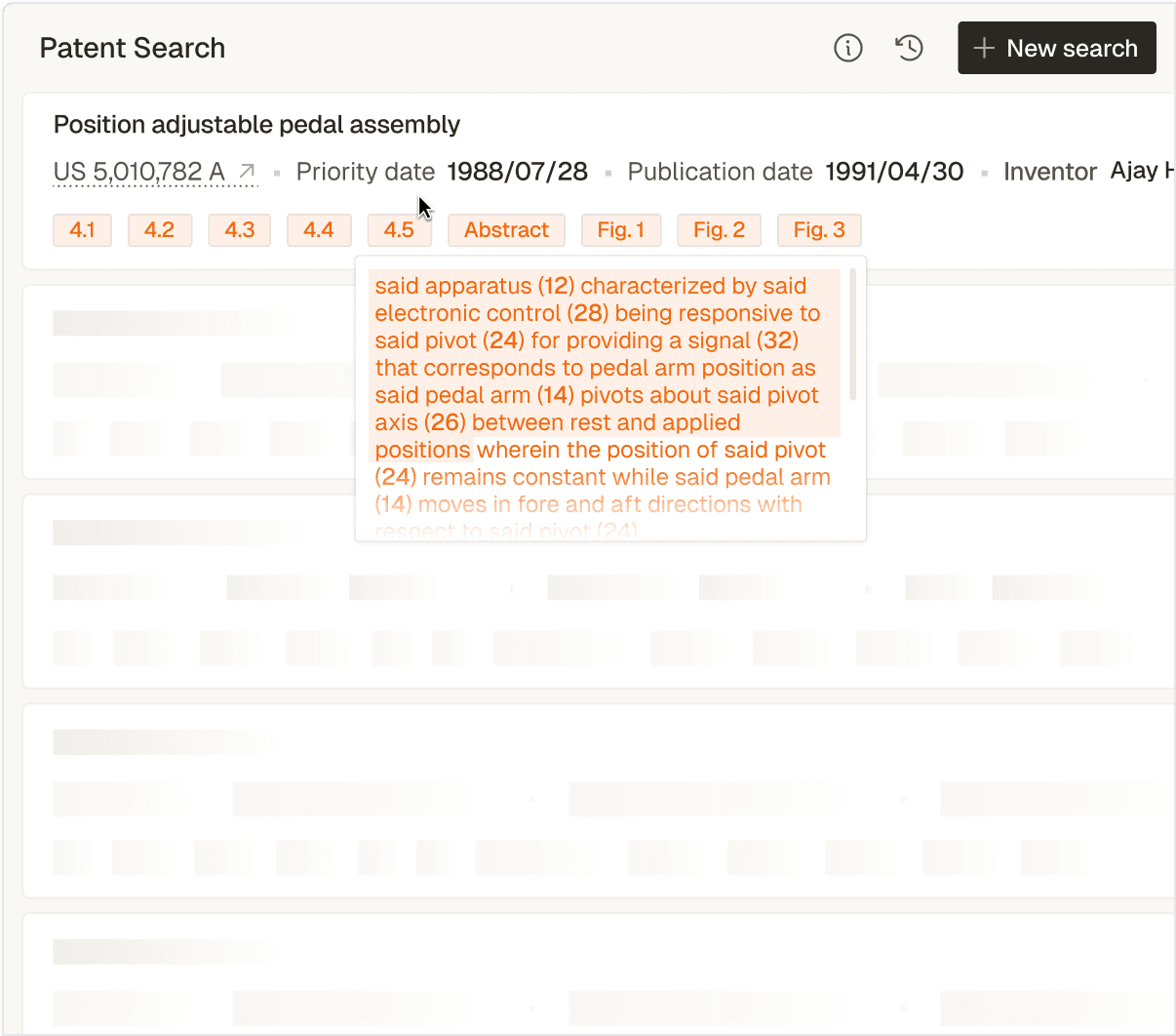
Discover prior art, generate claim charts, and draft §102, §103, and §112 arguments—built around the way litigators actually work.
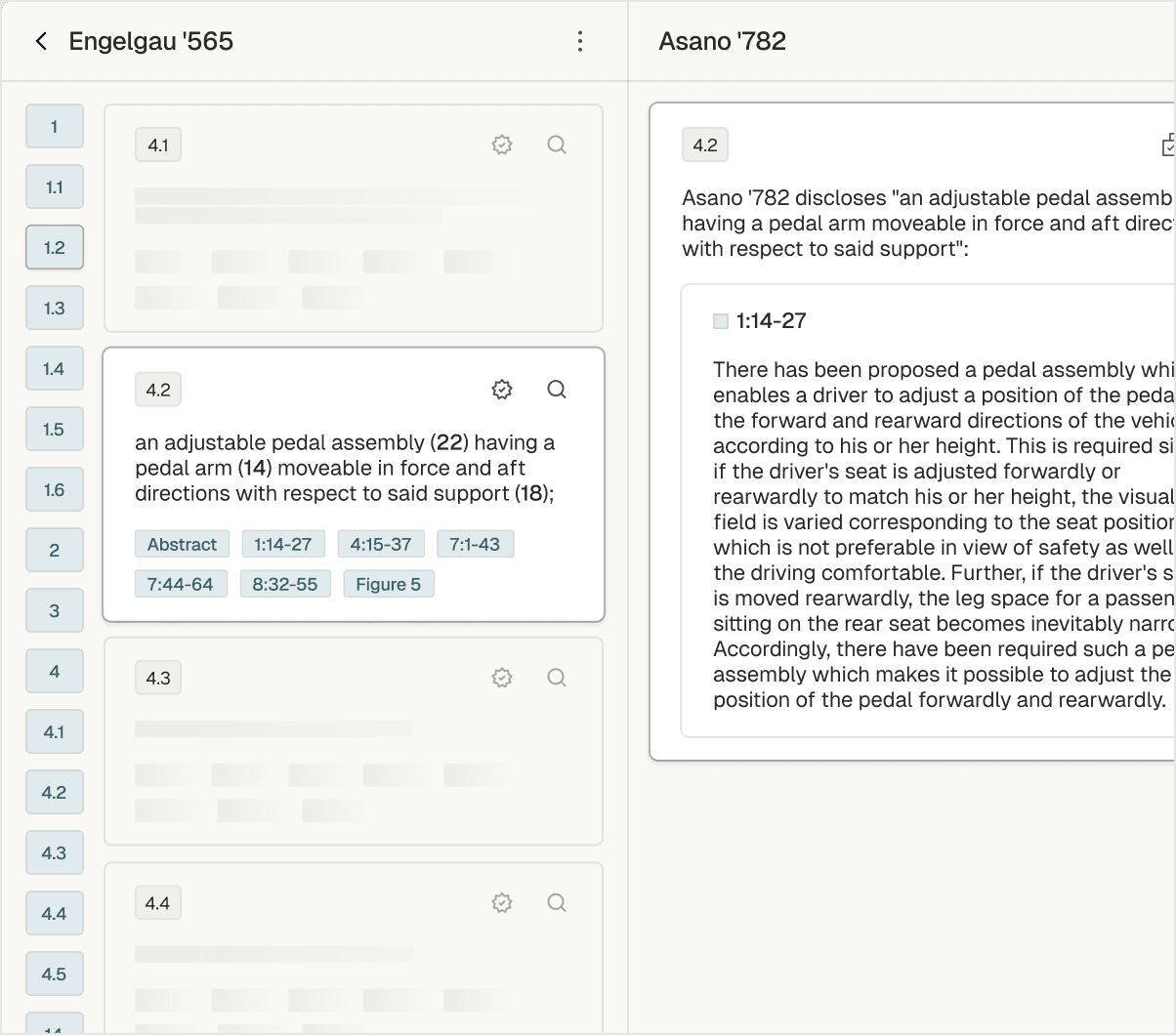
The invalidity workflow
Find the art. Build the charts. Draft the arguments.
Invalidity work is document- and citation-driven, and it evolves as the record develops and positions sharpen. &AI supports the key steps—reference review, limitation mapping, and theory development—so teams can revise charts and arguments efficiently without duplicating work.
- Source, compare, and organize the strongest prior arts
- Map each limitation with precise, reviewable citations
- Develop and pressure-test §102 and §103 positions
- Assess §112 vulnerabilities, including written description and enablement
- Generate drafts for contentions and supporting materials
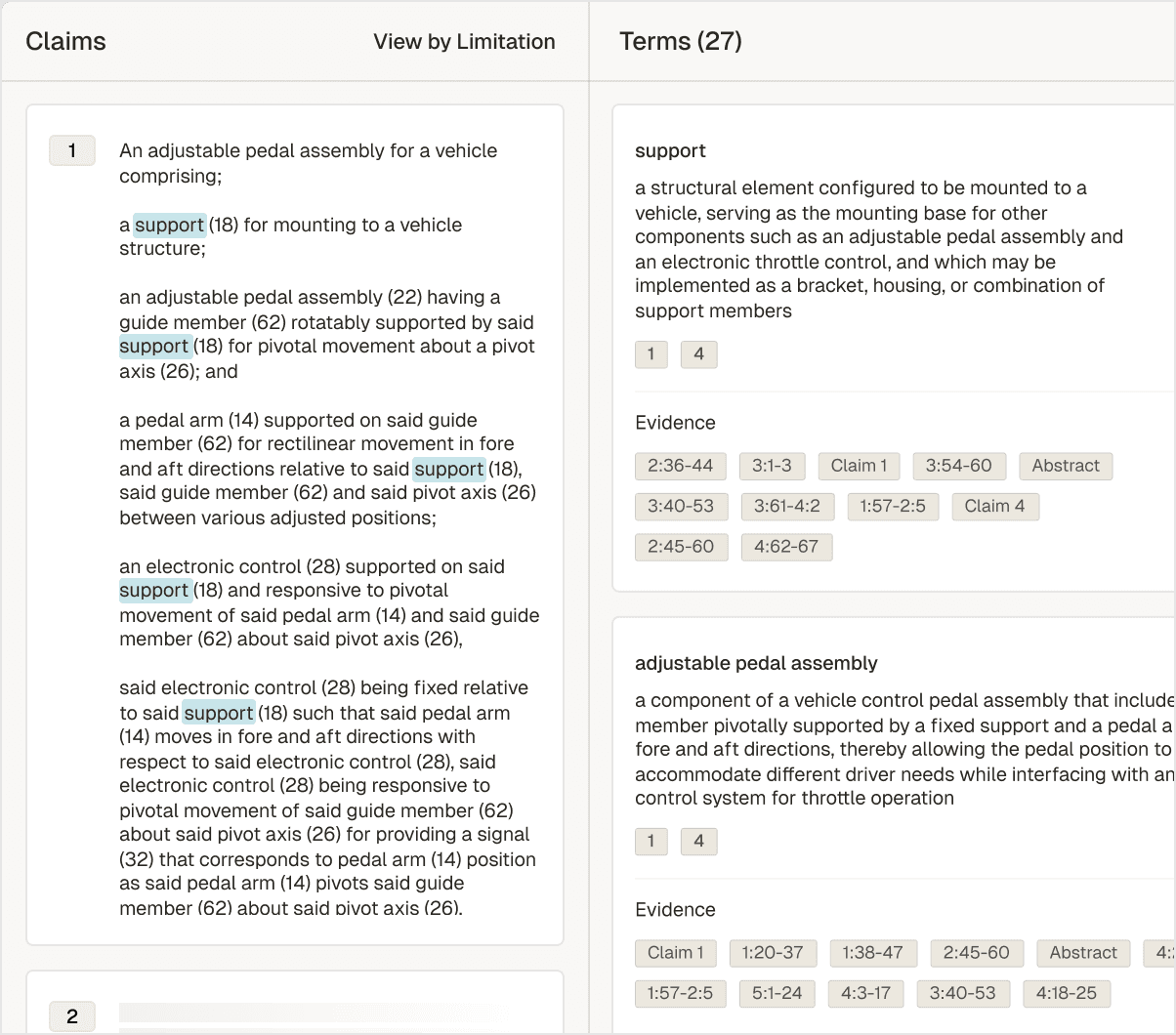
Claim construction
Define the terms. Control the case.
Claim construction drives everything—invalidity, infringement, and settlement posture. Build Markman-ready constructions with a clear evidentiary record.
- Zero in on disputed terms and generate draft definitions fast
- Ground each definition in intrinsic evidence from the claims, specification, and prosecution history
- Keep constructions live as strategy evolves—so charts, analysis, and drafts stay consistent
§102. Single-reference theories with pinpoint support
- Identify the specific limitation that controls the outcome
- Capture pinpoint citations—not just "close" passages
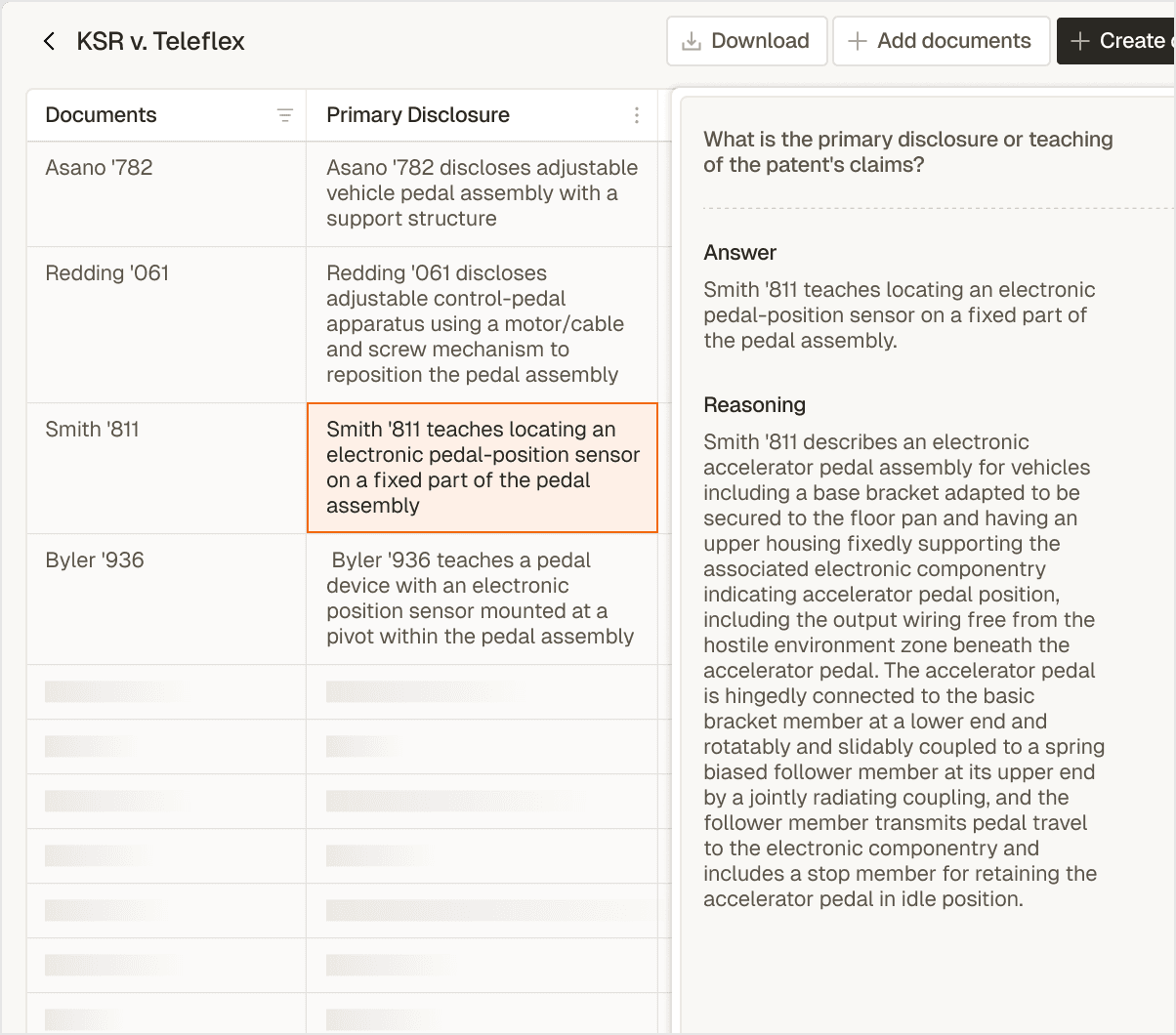
§103. Combination suggestions and charts that evolve with strategy
- Build limitation mappings across multiple references—side by side
- Surface coverage gaps and weak links early
- Propose and chart candidate §103 combinations before investing time in a polished theory
§112. Surface vulnerabilities in the target patent
- Ground the analysis in the specification and figures
- Flag thin or missing support by limitation and asserted scope
- Accelerate written description and enablement drafting with citation-backed narratives
Frequently asked questions
Yes. Generate drafts for multiple references, see coverage gaps early, and propose §103 combinations—charting them before you invest time polishing.
Yes. &AI helps you anchor analysis in the specification, flag weak support by limitation, and draft written description and enablement narratives faster.
You receive invalidity claim charts with element-by-element mappings, invalidity contentions, motivation to combine narratives, and all exports in Word format ready for filings.
Patent invalidity analysis evaluates whether a patent’s claims can be challenged under §101 (eligibility), §102 (anticipation), §103 (obviousness), or §112 (written description and enablement). &AI helps litigators find prior art, build claim charts, and draft contentions for each ground.
Yes. &AI supports §101, §102, §103, and §112. Build single-reference §102 anticipation charts, §103 combinations with motivation to combine, §112 written-description and enablement analysis, and ground §101 arguments in the intrinsic record.
Yes. &AI generates draft invalidity contentions with element-by-element claim charts, motivation-to-combine narratives, and §112 analysis—exportable to Word and grounded in citations you review and approve.
Claim construction defines what the disputed claim terms mean, and it drives invalidity, infringement, and settlement posture. &AI builds Markman-ready constructions grounded in the claims, specification, and prosecution history, and keeps them consistent across your charts and drafts.
Teams typically move from prior art to a first-draft invalidity chart in well under a day, compared with the weeks a manual search-and-chart cycle can take. Charts stay live so you can revise as the record develops.

Scale your
patent expertise
&AI is a platform for patent litigators to craft trial-ready work product—fast enough for pitches, strong enough for court.